
GET IN TOUCH
THE CENTENARIAN VILLAGE

Experiences

A way of living designed around proximity, connection and wellbeing — the everyday experience of a Sundara community.

SCROLL
THE MODEL

Designed for Life

The Centenarian Village is not a housing product. It is a model for how people should live — a way of organising a community so that the things that make a life good are within reach of the front door.

Everything that follows — the five-minute walk, streets shared across generations, wellness woven into the ground plan, and the mix of asset classes held together by place — is an expression of a single idea: that a neighbourhood should support a long, connected, healthy life, not merely shelter it.

This is the thinking behind every Sundara community, beginning with Bluebonnet at Lytle, Texas.

Five-Minute Living

Five-Minute Living

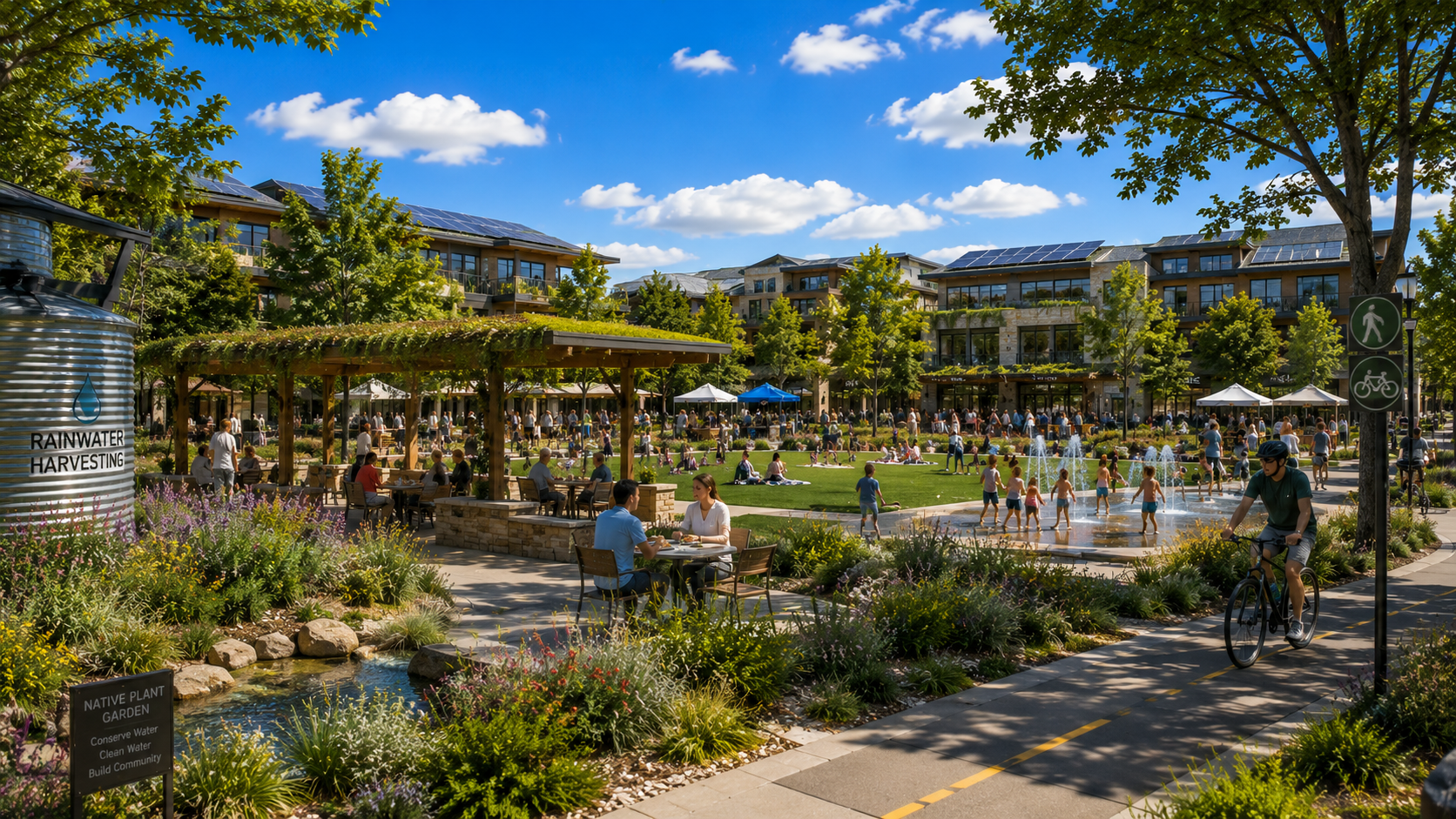
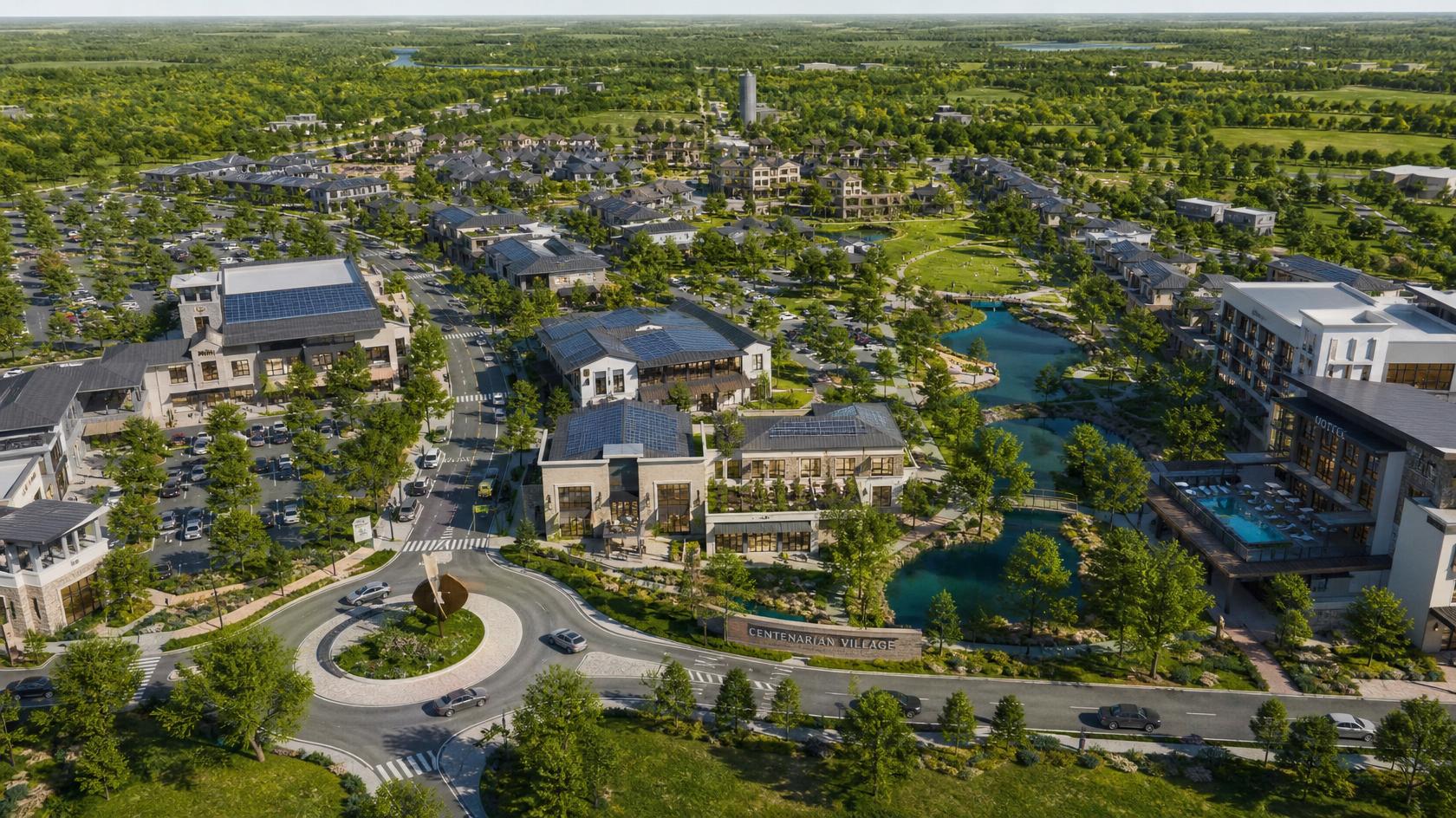
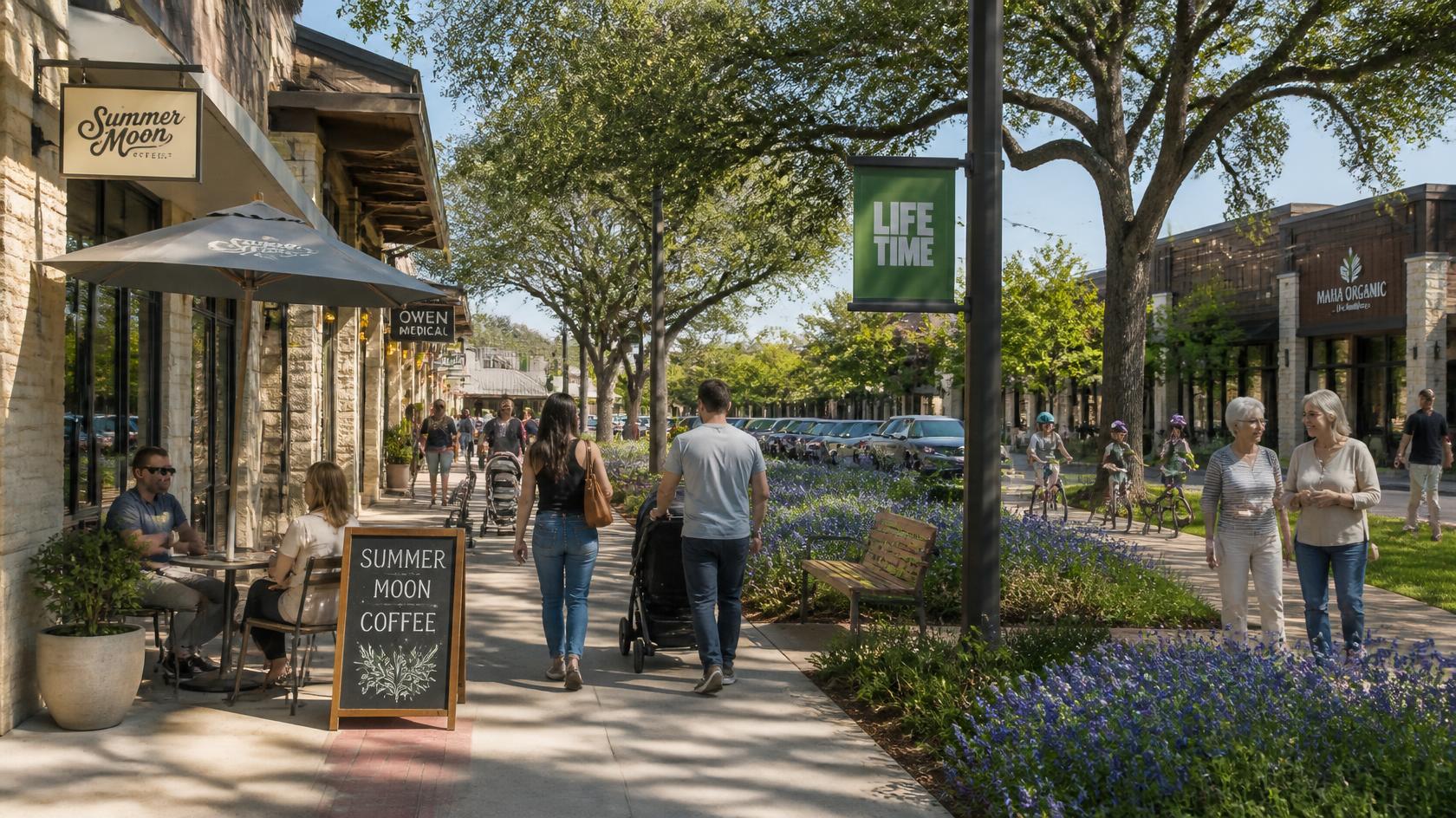
Every Centenarian Village is designed around the five-minute walk. Groceries within five minutes. Coffee within five minutes. A doctor within five minutes. A park within five minutes. A neighbor of any age within five minutes. The model rejects the assumption — baked into half a century of American suburban development — that every errand requires a car and every neighbor lives behind a fence. Five-minute living changes the math on commute time, on health, on how often a child plays outside, and on how often a 75-year-old leaves the house.
Intergenerational by Design

Intergenerational by Design

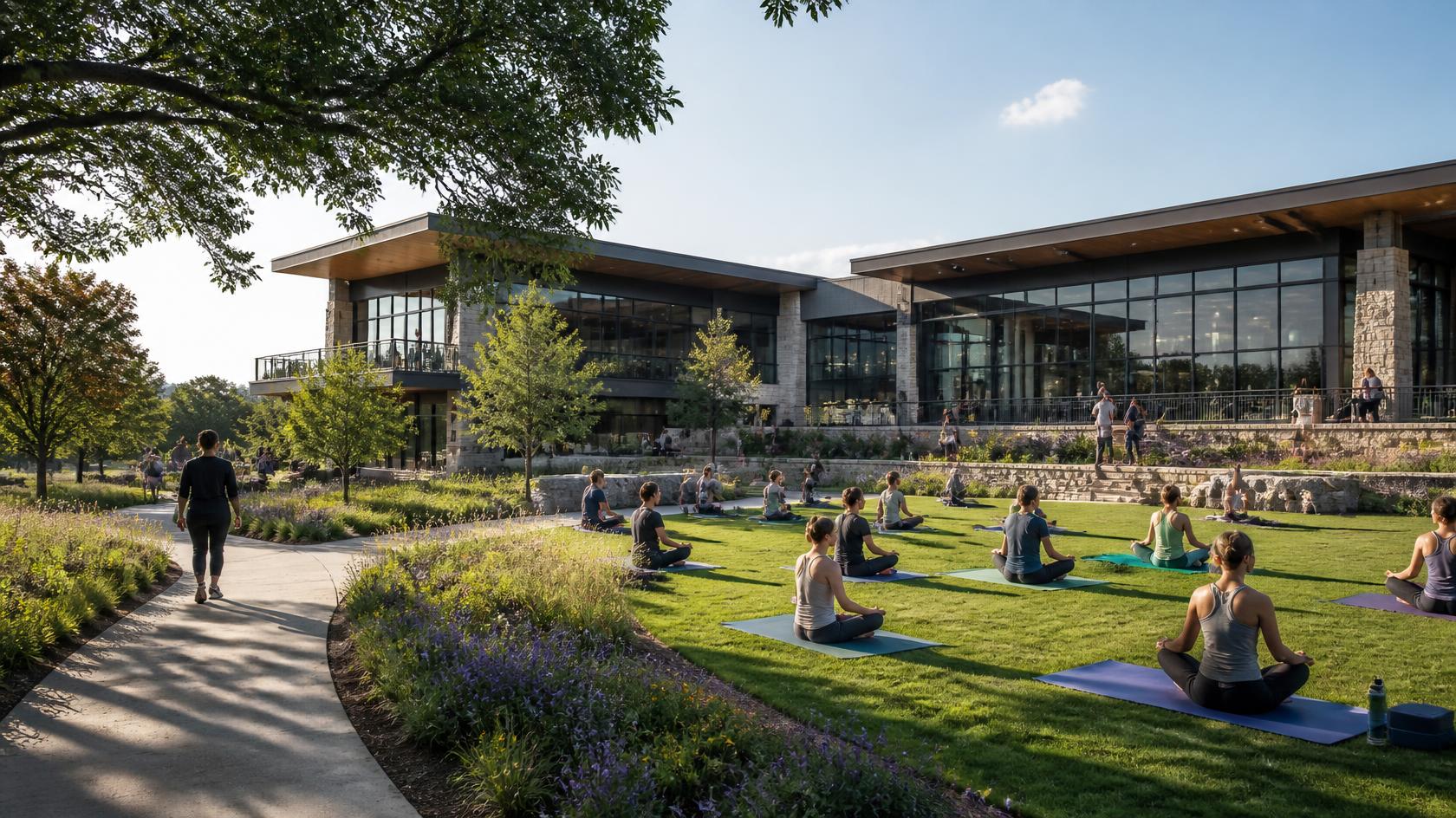
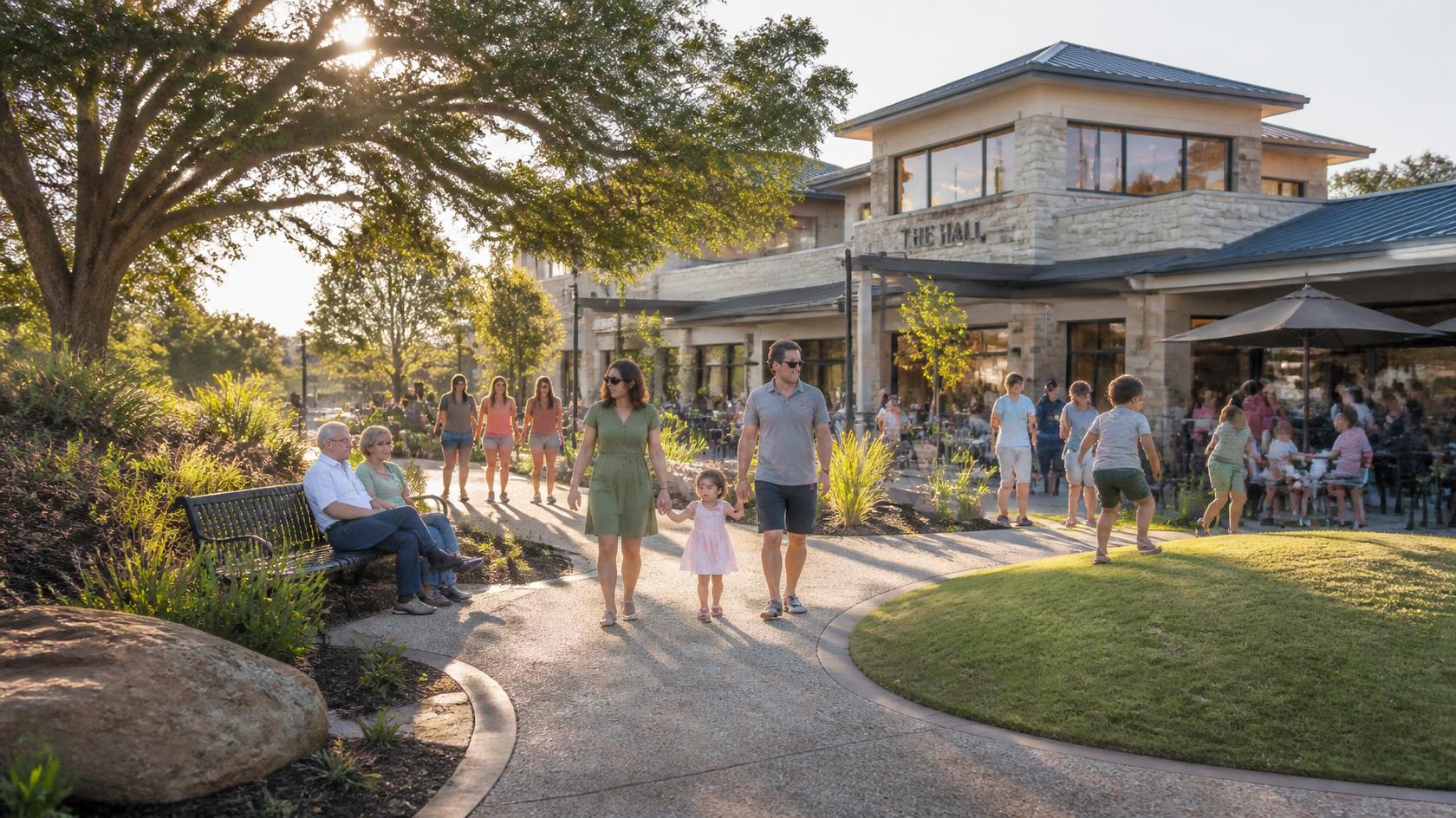
The model holds that the strongest communities are not segregated by age. A Centenarian Village houses senior independent-living residents on the same streets as families with young children, on the same streets as students or young professionals, on the same streets as multigenerational households who chose to live with their parents or adult children. The clubhouse hosts a yoga class at 7 a.m., a kids’ birthday party at 11, a book club at 2, and a community dinner at 6. The result is what aging-in-place specialists call “social infrastructure” — the daily, casual contact between generations that prevents isolation, supports caregiving, and builds the kind of belonging most American neighborhoods have forgotten how to produce.

A Mix of Asset Classes, Held Together by Place

A Mix of Asset Classes, Held Together by Place

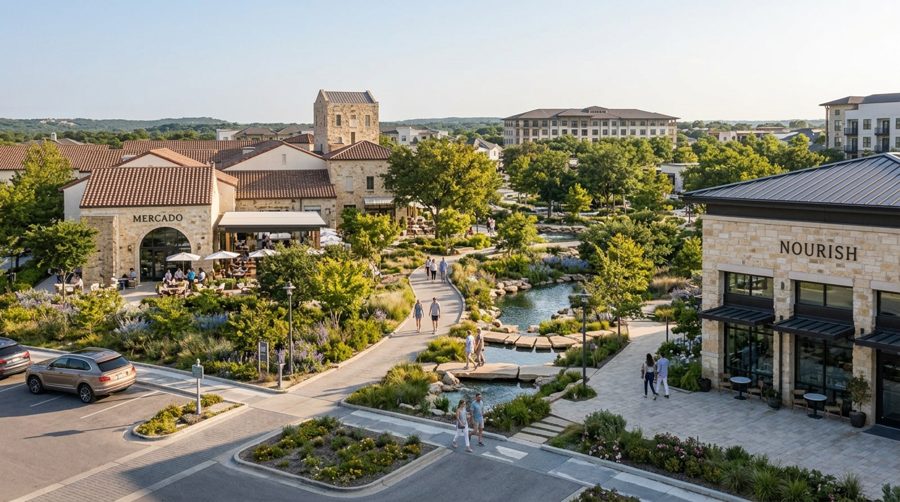
A Centenarian Village can include any of the following — single-family homes, duplexes, apartments, build-to-rent residences, senior independent-living and assisted-care homes, student or workforce housing, boutique hotels, urgent care and physician offices, organic grocery, dining and retail, wellness studios and remote-work hubs, and a defining ribbon of green: parks, walking trails, sensory gardens, and meditation spaces. Not every village contains every asset class — the mix is calibrated to the parcel and the local market — but the framework is consistent. Bluebonnet at Lytle, our flagship in Lytle, includes seven of these asset classes across its 598 homes and Phase 4 mixed-use core.

Holistic Wellness, Built Into the Ground Plan

Holistic Wellness, Built Into the Ground Plan

Wellness in a Centenarian Village is not a building you visit. It is the way the village is laid out. Yoga lawns and meditation gardens at the central greenbelt. Walking and jogging trails that connect every cluster of homes. Outdoor amphitheaters and gathering spaces calibrated for community programming. Sensory gardens designed for residents at every age and ability. The clubhouse is the indoor expression of the same principle: a 10,000 sq. ft. building in Bluebonnet at Lytle that holds a fitness center, a library, a ballroom, an arts and crafts studio, and the social hub that turns neighbors into a community.

Sustainable by Design, Resilient by Necessity

Sustainable by Design, Resilient by Necessity

Centenarian Villages are built to LEED-aligned standards, with EV charging, solar power, green roofs, water harvesting, and energy-efficient systems integrated from the master plan forward — not retrofitted later. The model treats sustainability as economic resilience: a community that produces some of its own power, captures some of its own water, and reduces its own commuting load is a community more resilient to energy shocks, drought, traffic congestion, and the broader uncertainties of the next thirty years.

A Post-Pandemic Idea, Whose Time Has Arrived

A Post-Pandemic Idea, Whose Time Has Arrived

The Centenarian Village concept matured in the years immediately after COVID — a period that exposed exactly the vulnerabilities the model was designed to address- Isolation, Car dependence,  Healthcare deserts. Communities that fell apart the moment commuting stopped. The Centenarian Village answers each of these by design: proximity living, embedded healthcare, multi-generational support systems, and walkable green space that supports both mental and physical wellbeing. These are not just neighborhoods. They are life-supporting ecosystems built to remain livable through whatever the next thirty years bring.

GET IN TOUCH