The Centenarian Village Model
Living Fully. Living Together.
Every Sundara community is built on the Centenarian Village model — a future-ready framework for walkable, mixed-use urban living designed to bring generations together around wellness, connection, and sustainability. The model is the original vision of Sundara’s three founders, born from their decades of work in senior living, hospitality, and technology. The model gives us our shape; the brand promise — Beautiful Living, Beautifully Made — gives us our standard.
The Founders' Vision
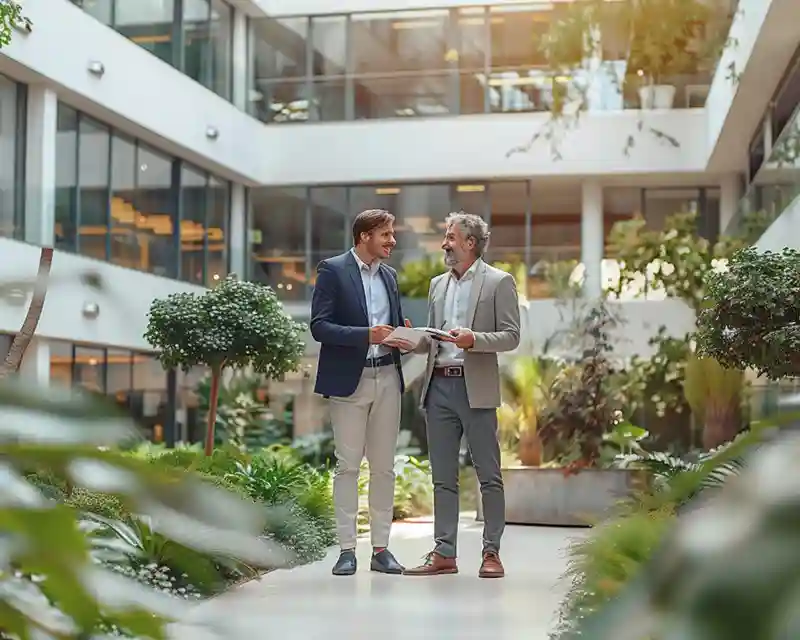
The Centenarian Village model emerged from what each founder learned in his own field — Jean Makesh’s three decades pioneering biophilic, neighborhood-style senior living at The Lantern Group; Sal Patel’s twenty-five years building hospitality experiences; Venkat Gopi’s thirty years building technology platforms. None of them, working alone, would have arrived at this model. Together, they kept asking: why are American communities still built as if a 30-year-old, a 7-year-old, and a 75-year-old all want different neighborhoods? Centenarian Village is their answer.
Five-Minute Living
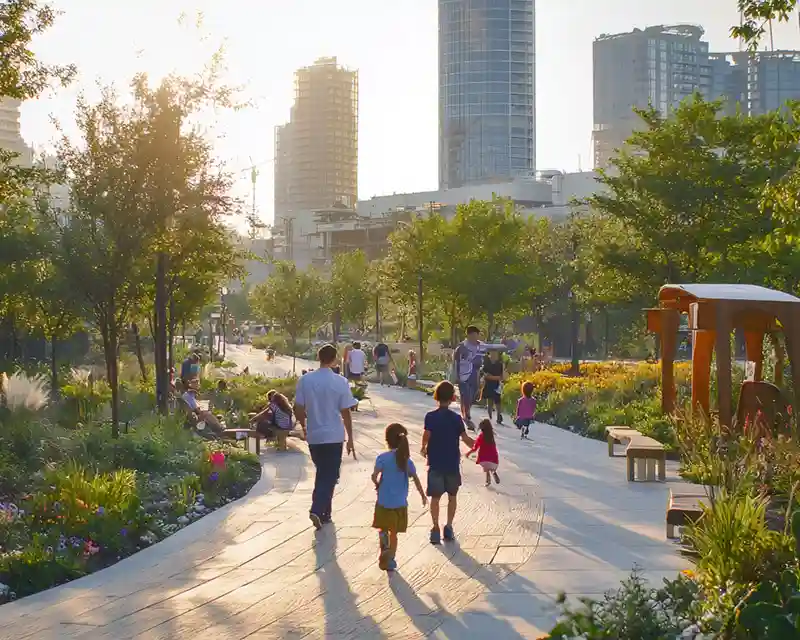
Every Centenarian Village is designed around the five-minute walk. Groceries within five minutes. Coffee within five minutes. A doctor within five minutes. A park within five minutes. A neighbor of any age within five minutes. The model rejects the assumption — baked into half a century of American suburban development — that every errand requires a car and every neighbor lives behind a fence. Five-minute living changes the math on commute time, on health, on how often a child plays outside, and on how often a 75-year-old leaves the house.
Intergenerational by Design
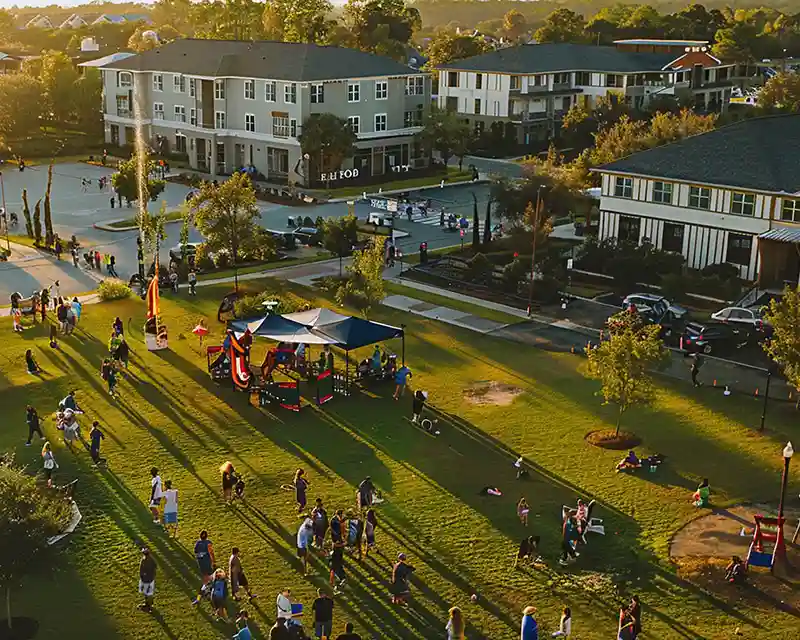
The model holds that the strongest communities are not segregated by age. A Centenarian Village houses senior independent-living residents on the same streets as families with young children, on the same streets as students or young professionals, on the same streets as multigenerational households. The clubhouse hosts a yoga class at 7 a.m., a kids’ birthday party at 11, a book club at 2, and a community dinner at 6. The result is what aging-in-place specialists call “social infrastructure” — the daily, casual contact between generations that prevents isolation and builds belonging.
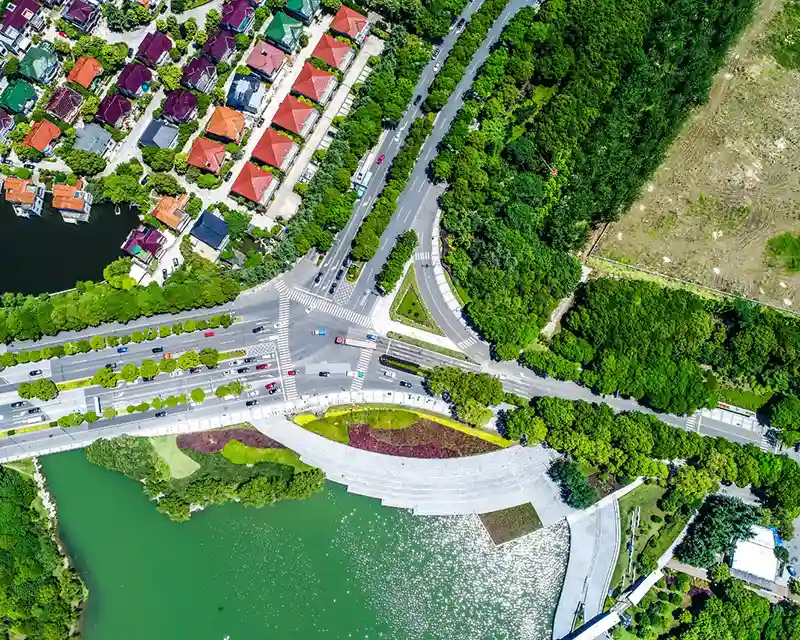
A Mix of Asset Classes
A Centenarian Village can include any of the following — single-family homes, duplexes, apartments, build-to-rent residences, senior independent-living and assisted-care homes, student or workforce housing, boutique hotels, urgent care and physician offices, organic grocery, dining and retail, wellness studios, data centers and remote-work hubs, and a defining ribbon of green: parks, walking trails, sensory gardens, and meditation spaces. Not every village contains every asset class — the mix is calibrated to the parcel and the local market.
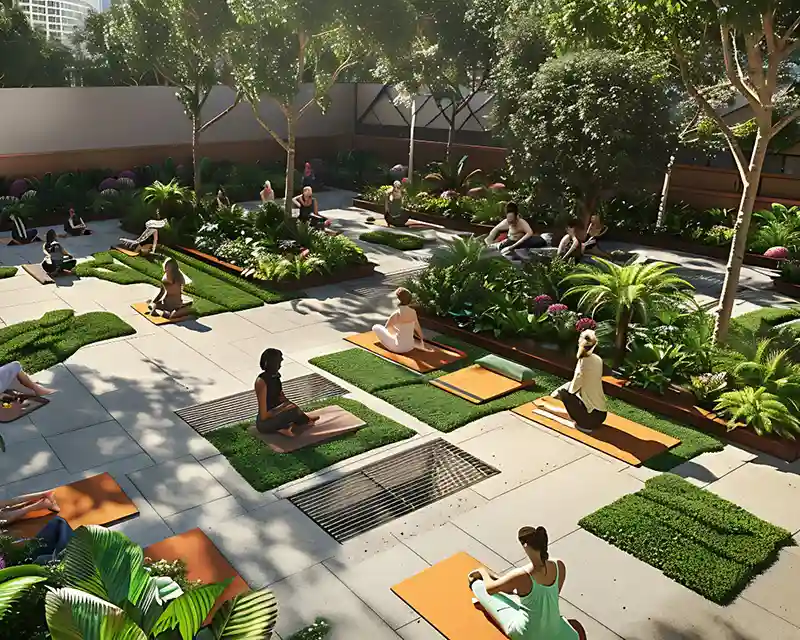
Holistic Wellness, Built Into the Ground Plan
Wellness in a Centenarian Village is not a building you visit. It is the way the village is laid out. Yoga lawns and meditation gardens at the central greenbelt. Walking and jogging trails that connect every cluster of homes. Outdoor amphitheaters and gathering spaces calibrated for community programming. Sensory gardens designed for residents at every age and ability. The clubhouse is the indoor expression of the same principle: a 10,000 sq. ft. building at Sundara Bluebonnet that holds a fitness center, a library, a ballroom, an arts and crafts studio, and the social hub that turns neighbors into a community.
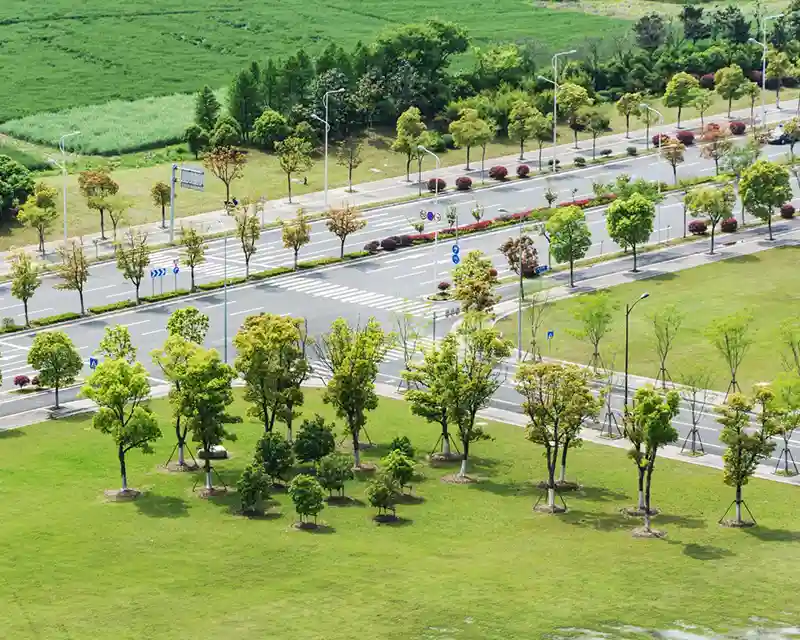
Sustainable by Design
Centenarian Villages are built to LEED-aligned standards, with EV charging, solar power, green roofs, water harvesting, and energy-efficient systems integrated from the master plan forward — not retrofitted later. The model treats sustainability as economic resilience: a community that produces some of its own power, captures some of its own water, and reduces its own commuting load is a community more resilient to energy shocks, drought, traffic congestion, and the broader uncertainties of the next thirty years.

A Post-Pandemic Idea
The Centenarian Village concept matured in the years immediately after COVID — a period that exposed exactly the vulnerabilities the model was designed to address. Isolation. Car dependence. Healthcare deserts. Communities that fell apart the moment commuting stopped. The Centenarian Village answers each of these by design: proximity living, embedded healthcare, multi-generational support systems, and walkable green space. These are not just neighborhoods. They are life-supporting ecosystems built to remain livable through whatever the next thirty years bring.
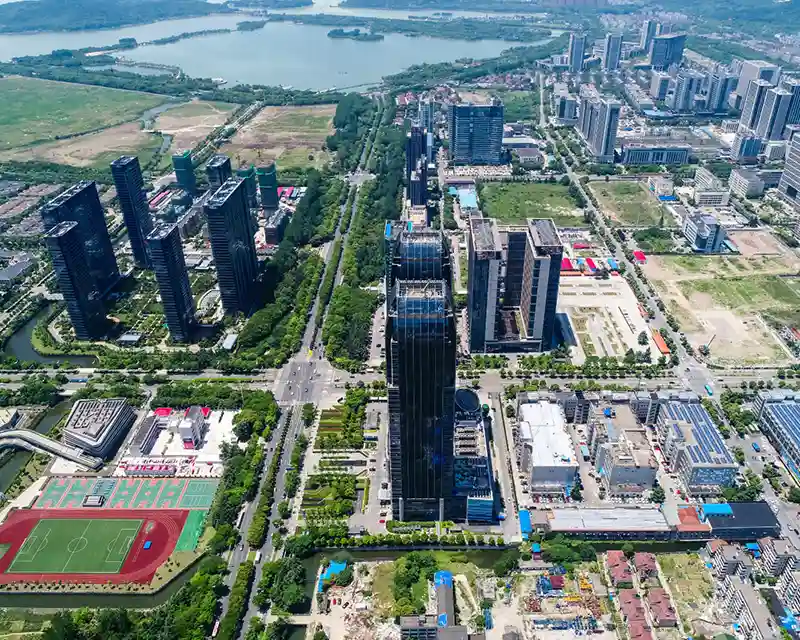
A Self-Reinforcing Local Economy
The asset-class mix is also an economic-resilience mix. Senior-living residents create stable long-term tenancy and anchor wellness and healthcare retail. Student and workforce housing drive consistent demand. Multifamily adds density, balances the demographic mix, and stabilizes cash flow. Retail and hospitality attract spending from outside the village. Data centers and remote-work hubs root the community in the digital economy. Green infrastructure preserves long-term property value. The result is a community that is economically self-sustaining across decades.
Centenarian Villages are Active Connected Living Communities — places where people across generations live in harmony, engage meaningfully, and access everything they need within walking distance.